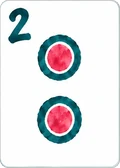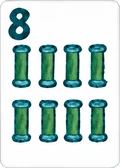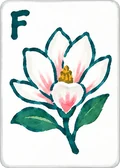
Start with the decisions that stop a table
Good practice is more useful than memorizing a rule in isolation. In each situation below, decide before you open the answer. The examples teach general tile rules only; you still use your current card to decide whether a group belongs in the hand you are building.
Solve before you reveal · Exercise 1
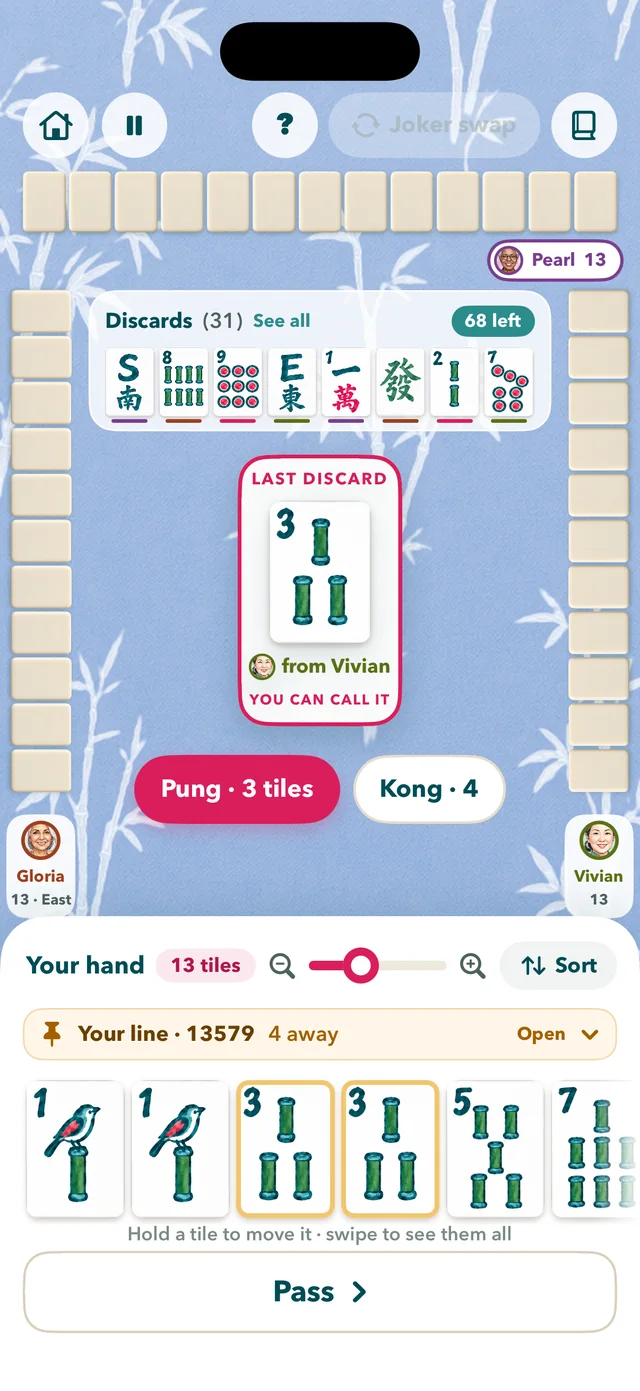
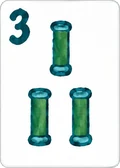
Is the 3 Bam still callable?
The latest discard is a 3 Bam. The next player has picked a tile from the wall but has not racked it, discarded, declared Mahjong or started a joker exchange. Under the American Mah-Jongg Association’s standardized procedure, is the 3 Bam already dead?
Reveal the answer
No. Picking up a wall tile by itself does not close the call window. The discard remains callable until that player racks the picked tile, discards, declares Mahjong or begins a joker exchange. If the discard is claimed, the picked tile goes back to its original place in the wall—even if the player saw it.
Some tables use a simpler house convention, so agree on timing before play. See the complete calling guide for the source-backed rule and competing-call order.
Solve before you reveal · Exercise 2
Can you call the second red dragon?
You hold one red dragon. Another player discards a red dragon. You need a pair for the line you are pursuing, but the discard would not finish your whole hand. Can you call it?

Reveal the answer
No. An ordinary call must complete a group of three or more identical tiles. You may call a discard for a pair only when that tile completes your entire hand for Mahjong.
If you already held two red dragons and your line allowed an exposed pung, the discarded third red dragon could be called. Review when a pair can be called.
Solve before you reveal · Exercise 3
What should you do with the real 5 Bam?
An exposed pung contains two real 5 Bams and one joker. On your turn, you draw a real 5 Bam. Can you exchange it for the joker, and when?

Reveal the answer
Yes. On your turn, after drawing or calling and before discarding, put the real 5 Bam into the exposure and take the joker into your rack. The exchange works on anyone’s exposed group, including your own.
The exact tile matters: only a real 5 Bam can replace a joker in a 5 Bam group. Continue with the joker exchange guide.
Solve before you reveal · Exercise 4
Which three tiles would you pass right?
It is the first Charleston pass. After comparing your rack with the current card, your two strongest directions use the Bamboo run, the pair of 7 Dots, East, flowers or white dragons. Neither direction uses South, 6 Crak or 9 Crak. Which three would you pass?







Reveal the answer
Pass South, 6 Crak and 9 Crak. Under the two directions stated in the question, those are the three natural tiles that help neither plan. Keeping the pair is useful here because it supports a candidate direction—not because every pair must always be kept.
Keep the joker because jokers may never be passed. A flower may be passed, but in this drill it still fits a direction you are considering. Reassess after the three incoming tiles arrive; this is a strategy choice, not a fixed passing rule. Review the Charleston pass order and what-to-pass guide.
Carry it into a complete hand
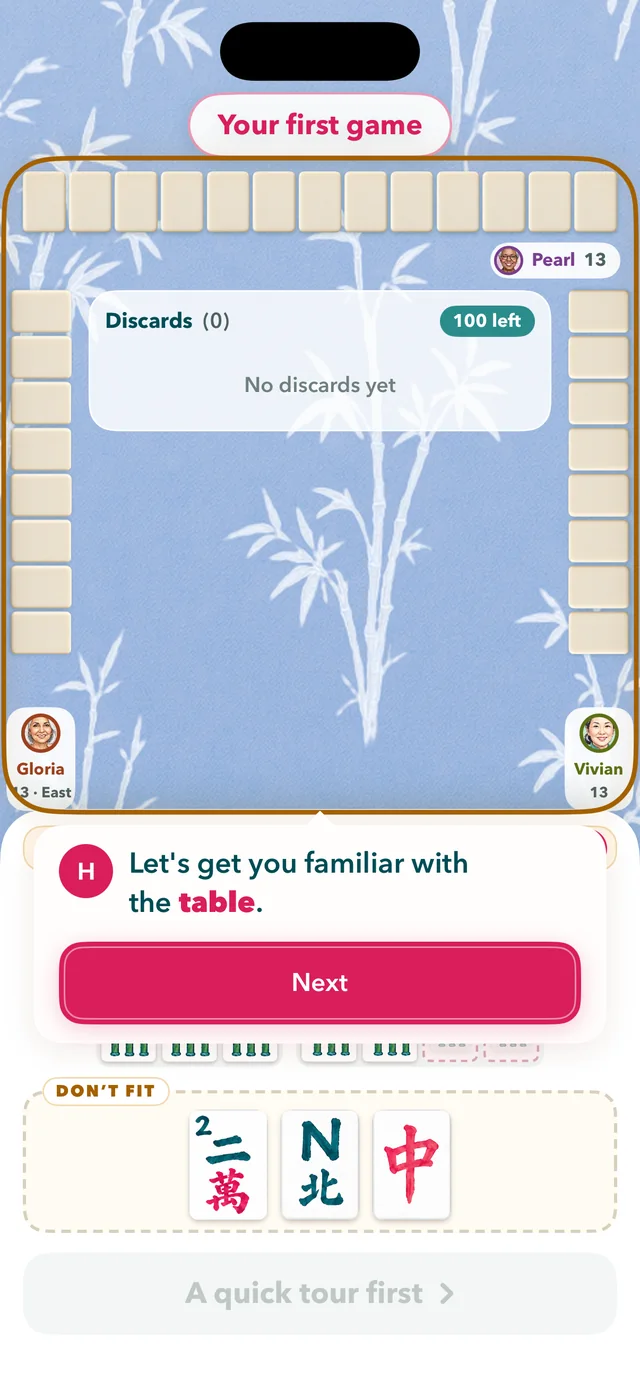
Mahj Call’s guided first game introduces the table a move at a time. Its lessons and Daily Mahj Puzzles are free. You also get one free practice hand each day.
Solo practice covers the complete rhythm: deal, Charleston, calls, joker exchanges and Mahjong against three bots. Mahj Call Membership adds unlimited practice, private tables and Quick Match; the app shows the price before you subscribe.