
The basics
Mahjong Glossary: American Mahjong Terms, A to Z
The American Mahjong terms you’re most likely to hear, in plain English. A pung is three of the same tile, a kong is four, a quint is five, and a dead hand is one that can no longer win that round.
What do pung, kong and quint mean in mahjong?
A winning hand is built from groups of the same tile. Each size of group has a name, and these are the words you’ll hear most at the table.
| Name | Tiles | Can a joker fill in? |
|---|---|---|
| Pair | 2 of the same | No |
| Pung | 3 of the same | Yes |
| Kong | 4 of the same | Yes |
| Quint | 5 of the same | Yes, and it needs one unless it’s flowers |
Some players say “pong” instead of pung. It means the same thing. The rest of the terms follow in A to Z order.
Mahjong terms A–C: Across to Crak
Across
The player sitting opposite you. The second pass of the Charleston goes across, and the courtesy pass is a swap with the player across.
Bam
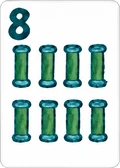
Short for bamboo, one of the three suits. Bams run from 1 to 9, with four of every tile.
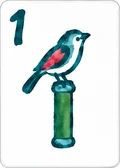
Bird Bam
The 1 Bam, which usually shows a bird instead of a bamboo stick. It’s still a 1.
Blind pass
On the last pass of each Charleston, the first left and the second right, you may send on some of the tiles coming to you without looking at them. You still pass three in all.
Call
To take another player’s discard to finish a group of three or more of the same tile, or as the very last tile you need for Mahjong. For a group, you lay it face up, skip your draw, and discard. Calling discards and exposures has the details.
Card
The list of hands you’re allowed to win with. Every player uses the same card, and a new one comes out every year. Mahj Call plays this year’s hands and checks your tiles against them.
Charleston
The trade before the first turn. Everyone passes three tiles right, then across, then left. A second Charleston runs the other way, but only if every player agrees. See the Charleston guide.
Concealed (C)
A line marked C must be built from your own draws. The only tile you may call is the very last one, for Mahjong. Concealed lines are usually worth more, because they’re harder to finish.
Courtesy pass
After the Charleston, you and the player across may swap up to three more tiles. Each of you offers a number from 0 to 3, and you both swap the smaller number. No jokers.
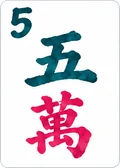
Crak
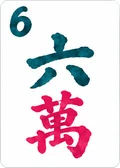
Short for character, one of the three suits. Craks run from 1 to 9 and are read by their number.
Mahjong terms D–E: Dead hand to Exposure
Dead hand
A hand that can no longer win that round. At a real table it happens after a false Mahjong, an exposure that fits no line on the card, or holding the wrong number of tiles. Only that player’s hand is dead; everyone else plays on. Tables differ on what the player does next, so ask yours.
Dead tile
A discard no one can call any more. A discard dies as soon as the next player draws. A discarded joker is dead the moment it lands.
Deal
Handing out the tiles from the wall. Everyone gets 13, and East, the dealer, gets 14.
Discard
The tile you throw face up into the middle to end your turn, taking you back to 13. Pick the one that helps you least.
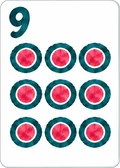
Dot
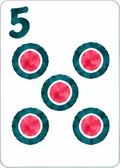
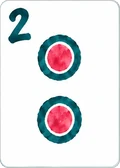
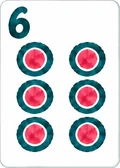
The suit of circles, 1 to 9. Count the circles to read the number.
Dragon
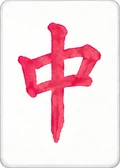
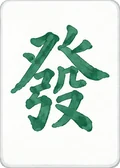
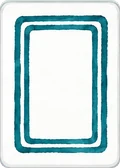
There are three dragons, red, green and white, with four of each. Each one goes with a suit: red with Craks, green with Bams and white with Dots. On the card, a dragon is D.
East
The dealer. East starts with 14 tiles and begins the hand by discarding, with no draw. East is also one of the four winds.
Exposure (X)
A group laid face up after you call a discard. It stays there for the rest of the hand and can’t be changed, and concealed lines are then off the table for you. A line marked X lets you call and expose.
Mahjong terms F–J: False Mahjong to Jokerless
False Mahjong
Calling Mahjong with tiles that don’t match a line. At a real table it makes your hand dead for that round. Some players call it a false Maj.
Family
The card groups its lines by theme, such as even numbers, odd numbers, or winds and dragons. Knowing the families helps you spot which lines your tiles lean toward.
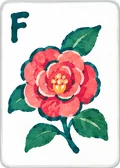
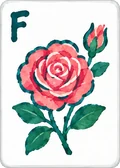
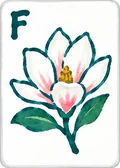
Flower
There are eight flowers with different pictures, but in the game they’re all the same tile. Any two make a pair. On the card, a flower is F.
Group
A set of the same tile inside a hand: a pair, pung, kong, quint or sextet.
Hand
The tiles on your rack, and the target you’re building. A winning hand is 14 tiles that match one line on the card. You hold 13 between turns; the 14th is the one that wins.
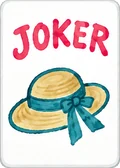
Joker
One of eight wild tiles. A joker can stand in for any tile in a group of three or more of the same tile, but never in a pair, a single or a run. Jokers are never passed in the Charleston or the courtesy pass. More in joker rules.
Joker exchange
Also called a joker swap. On your turn, after you draw or call and before you discard, give the exact tile a joker stands for and take the joker from any exposed group, your own included. No one can refuse.
Jokerless
A winning hand with no jokers in it. Many tables that keep score pay double for one. House rules vary.
Mahjong terms K–M: Kong to Mahjong
Kong
Four of the same tile. Hold three and you can call the fourth. A joker can fill in.
Line
One hand as it’s printed on the card: a row of groups, read left to right. Each line ends with a short note and a point value. How to read a mahjong card walks through one.
Live tile
The newest discard. Anyone who needs it may call it, but only until the next player draws. Then it’s dead.
Mahj
A friendly short name for the game. Some players also say it, spelled Maj, when they declare a win.
Mahjong
The game, and what you call when you win. When your 14 tiles match a line, declare Mahjong and lay your tiles face up so everyone can check them. You can draw the winning tile yourself or call it from a discard, and a call for Mahjong beats any other call on the same tile.
Mahjong terms N–P: NEWS to Pung
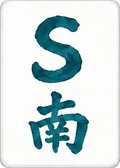
NEWS
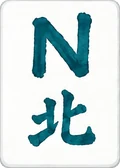
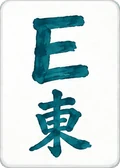
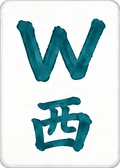
One of each wind: North, East, West and South. On the card, NEWS means one of each. Each tile is a single, so all four must be real; a joker can’t fill in.
Note
The small print at the end of each line. It tells you how much freedom you have, such as any one suit, these numbers only, or any run. Some players call it the parentheses.
Pair
Two of the same tile, like two 7 Dots, two green dragons or any two flowers. A joker can never be part of a pair, and you can’t call a discard for one unless it’s your last tile for Mahjong.
Pause
What many players say to ask for a moment with their rack before the next player draws. Saying it doesn’t commit you to calling. It’s a table custom, and how long a pause lasts is up to your table. See mahjong etiquette.
Point value
The number at the end of each line. Lines worth fewer points are usually easier to finish, which makes them a good place to start.
Pung
Three of the same tile. Hold two and you can call the third. A joker can stand in for any of them.
Mahjong terms Q–S: Quint to Suit
Quint
Five of the same tile. There are only four of each tile, so a quint always needs at least one joker. Flowers are the exception: there are eight of them.
Rack
The stand that holds your tiles, facing you so only you can see them. Groups you call sit face up on top of it.
Run
Numbers in a row, like 3 4 5. Some lines use a run of single tiles, like 1 2 3, and each of those must be the real tile.
Self-drawn
A win where you draw the winning tile from the wall yourself instead of calling a discard. Tables that keep score often pay double for it. House rules vary.
Sextet
Six of the same tile. You’ll mostly see sextets with flowers.
Single
One tile on its own in a line, not part of a group. It must be the real tile, and you can call a discard for it only when it’s the last tile you need for Mahjong.
Soap
The nickname for the white dragon. As a dragon it goes with Dots. On the card it can also stand for a zero.
Suit
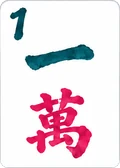
A family of numbered tiles from 1 to 9. There are three, Bams, Craks and Dots, with four of every tile: 108 in all. On the card, groups printed in the same color share a suit. More in American Mahjong tiles.
Mahjong terms T–Z: Turn to Zero
Turn
Draw a tile from the wall, check for Mahjong, then discard one. You hold 14 for a moment and end on 13. Play moves to the right, counterclockwise, but a call jumps the order: play carries on from the caller, and anyone in between misses that turn.
Wall
All 152 tiles, face down, stacked for everyone to draw from. At a real table each player builds one side: 19 stacks, two tiles high. Your side isn’t saved for you.

Wall game
A hand with no winner. If the last tile is drawn and thrown and nobody has Mahjong, the hand ends and the tiles are mixed for the next one.
Winds
North, East, West and South, four of each. They have no numbers and belong to no suit. On the card they’re N, E, W and S.
Zero
On the card, a 0 is the white dragon used as a zero, in lines that spell out a year. As a zero it belongs to no suit.
Questions
What does pung mean in mahjong?
A pung is three of the same tile, like three 5 Bams or three red dragons. Some players say “pong.” A joker can stand in for any tile in a pung. If you hold two and another player discards the third, you can call it, lay the pung face up, skip your draw and then discard.
What is a kong in mahjong?
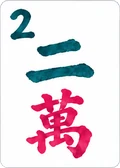
A kong is four of the same tile, like four 2 Craks. Jokers can fill in, so three 2 Craks and a joker make a kong too. If you hold three and someone discards the fourth, you can call it and lay the kong face up. Most winning hands are built mainly from pungs and kongs.
What is a dead hand in mahjong?
A dead hand can’t win that round. At a real table it comes from calling Mahjong when your tiles don’t match, exposing a group that fits no line on the card, or holding the wrong number of tiles. Only that player’s hand is dead, and everyone else keeps playing. Tables differ on what the player does next.
What is a quint in mahjong?
A quint is five of the same tile. A set has only four of each numbered tile, wind and dragon, so a quint always needs at least one joker. Flowers are the exception: there are eight, and any flower matches any other, so a quint of flowers can be all real tiles. You call for one by holding four.
What is a wall game in mahjong?
A wall game is a hand that ends with no winner. Every draw makes the wall shorter, and if the last tile is drawn and thrown without anyone declaring Mahjong, the hand is over. Nobody wins and nobody loses. The tiles are mixed, and the next hand starts fresh with a new deal.
What does mahj mean?
Mahj is a friendly short name for mahjong. You’ll hear it in phrases like “mahj night” or “Are you coming to mahj on Tuesday?” Some players also say it, often spelled Maj, when they declare a win instead of saying Mahjong in full. The game and the rules are the same; it’s just quicker to say.